
In today’s highly competitive textile industry, manufacturers are constantly looking for ways to improve productivity, reduce operational costs, and maintain superior yarn quality. Whether it’s a spinning mill in India, a garment manufacturer in Bangladesh, a textile exporter in Turkey, or a growing textile unit in Sri Lanka, Egypt, Vietnam, or Nepal, production efficiency remains a key factor in profitability and long-term success.
One of the most important machines that contribute to efficient yarn processing is the Cone Winding Machine. Although often overlooked compared to spinning and twisting machinery, cone winding plays a critical role in preparing yarn for weaving, knitting, dyeing, and other downstream textile processes.
Modern cone winding machines help textile manufacturers achieve consistent yarn quality, minimize wastage, reduce machine downtime, and increase overall production output. In this comprehensive guide, we explore what a cone winding machine is, how it works, and how it significantly improves textile production efficiency.
What is a Cone Winding Machine?
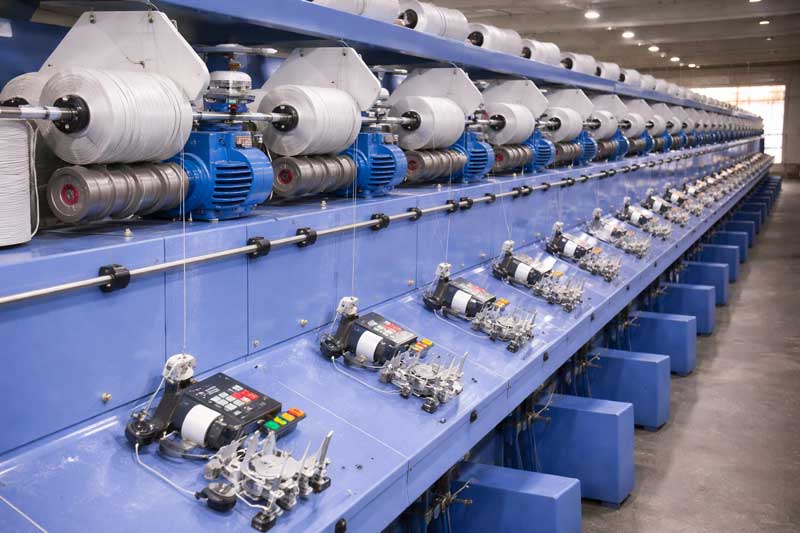
A Cone Winding Machine is a textile machine used to rewind yarn from one package form into cone-shaped packages. The process ensures that the yarn is properly wound, free from defects, and suitable for subsequent manufacturing operations.
The primary purpose of cone winding is to create a yarn package that:
- Has uniform tension
- Is easy to handle and transport
- Supports high-speed weaving and knitting
- Minimizes yarn breakage
- Improves production efficiency
Cone winding is considered one of the most critical preparation processes in textile manufacturing because the quality of the wound package directly affects the performance of downstream machinery.
Why is Cone Winding Important in Textile Manufacturing?
Many textile processes require yarn to be supplied in a specific package format. Improperly wound yarn can lead to:
- Frequent yarn breakage
- Machine stoppages
- Fabric defects
- Increased wastage
- Reduced productivity
Cone winding helps eliminate these issues by producing stable, uniform, and high-quality yarn packages.
As a result, textile manufacturers can achieve:
- Higher machine efficiency
- Better product quality
- Lower operating costs
- Increased production output
How Does a Cone Winding Machine Work?
The cone winding process involves several steps designed to ensure proper yarn preparation.
Step 1: Yarn Feeding
The yarn is supplied from a source package such as a bobbin, cop, hank, or spinning package.
Step 2: Yarn Cleaning
Modern cone winding machines incorporate yarn clearers that detect and remove:
- Thick places
- Thin places
- Slubs
- Foreign particles
- Yarn defects
This significantly improves yarn quality before winding.
Step 3: Tension Control
The machine maintains uniform yarn tension throughout the winding process.
Proper tension control ensures:
- Consistent winding density
- Reduced yarn damage
- Better package formation
Step 4: Winding onto Cone
The yarn is wound onto a cone package using a precision winding mechanism.
The resulting cone is:
- Uniform
- Stable
- Easy to unwind
- Suitable for high-speed processing
Step 5: Quality Monitoring
Advanced machines continuously monitor yarn quality and winding performance to ensure consistent output.
How Cone Winding Machines Improve Textile Production Efficiency
1. Reduce Yarn Breakage
One of the biggest causes of production loss in textile manufacturing is yarn breakage.
Frequent breaks lead to:
- Machine stoppages
- Production delays
- Increased labor requirements
Modern cone winding machines help identify and remove weak sections of yarn before they reach downstream processes.
Benefits include:
- Fewer interruptions
- Continuous production
- Higher machine utilization
2. Improve Yarn Quality
Yarn quality directly impacts fabric quality.
Cone winding machines improve yarn quality by:
- Removing defects
- Ensuring uniform winding
- Maintaining proper tension
- Eliminating contamination
This results in smoother and more consistent yarn packages.
3. Increase Weaving Efficiency
Poorly wound yarn packages can create problems during weaving operations.
Properly wound cones provide:
- Smooth yarn unwinding
- Consistent tension
- Reduced loom stoppages
As a result, weaving productivity increases significantly.
4. Enhance Knitting Performance
Knitting machines operate at extremely high speeds.
Any inconsistency in yarn supply can cause:
- Needle damage
- Fabric defects
- Production interruptions
Cone winding machines produce packages specifically designed for smooth unwinding during knitting operations.
This improves:
- Machine efficiency
- Fabric quality
- Production output
5. Minimize Yarn Wastage
Every textile manufacturer seeks to reduce waste and improve profitability.
Modern cone winding machines help achieve this by:
- Detecting defective yarn
- Preventing package collapse
- Optimizing yarn utilization
Reduced wastage directly lowers production costs.
6. Support High-Speed Production
Today’s textile industry demands high production rates.
Modern cone winding machines are capable of:
- High winding speeds
- Continuous operation
- Automated package changes
This allows textile manufacturers to meet increasing market demand without compromising quality.
Key Features of Modern Cone Winding Machines
Technological advancements have transformed cone winding machines into highly efficient production tools.
Automatic Yarn Clearers
These systems detect and remove yarn defects automatically.
Benefits:
- Improved yarn quality
- Reduced manual inspection
Precision Winding Technology
Ensures consistent package density and shape.
Advantages:
- Better unwinding performance
- Improved downstream processing
Electronic Tension Control
Maintains uniform yarn tension throughout the winding process.
Results:
- Better package quality
- Reduced yarn damage
Energy-Efficient Drives
Modern machines consume less power while delivering higher productivity.
Benefits:
- Lower operating costs
- Improved sustainability
Digital Monitoring Systems
Advanced machines provide real-time production data and diagnostics.
Advantages:
- Better process control
- Faster troubleshooting
Industries That Benefit from Cone Winding Machines
Apparel Manufacturing
Used for producing yarn packages suitable for:
- T-shirts
- Shirts
- Denim
- Sportswear
Home Textile Production
Supports the manufacture of:
- Bedsheets
- Curtains
- Upholstery fabrics
- Towels
Technical Textiles
Provides high-quality yarn packages for:
- Automotive textiles
- Industrial fabrics
- Protective clothing
Sewing Thread Manufacturing
Ensures smooth and defect-free thread production.
Latest Trends in Cone Winding Technology
The textile machinery sector continues to evolve with new innovations.
Smart Automation
Modern cone winding machines feature intelligent controls that optimize machine performance.
Industry 4.0 Integration
Manufacturers can monitor machine performance remotely through connected systems.
Predictive Maintenance
Sensors help detect potential issues before breakdowns occur.
Benefits include:
- Reduced downtime
- Lower maintenance costs
High-Speed Winding Systems
New-generation machines support faster winding speeds while maintaining quality.
Why Textile Manufacturers Across India, Bangladesh, Sri Lanka, Turkey, Egypt, Vietnam, and Nepal Are Investing in Cone Winding Machines
These countries are among the fastest-growing textile manufacturing regions in the world.
To remain competitive in international markets, manufacturers require:
- Consistent yarn quality
- High production efficiency
- Reduced operational costs
- Reliable machinery
Cone winding machines help achieve these objectives by improving process efficiency and product quality.
As export standards become more demanding, advanced winding technology is becoming a necessity rather than a luxury.
How Much Does a Cone Winding Machine Cost?
The cost of a cone winding machine depends on several factors:
- Number of winding positions
- Automation level
- Machine capacity
- Yarn type compatibility
- Additional quality control features
Although pricing varies, most manufacturers recover their investment through:
- Reduced wastage
- Higher productivity
- Lower labor costs
- Improved yarn quality
How to Choose the Right Cone Winding Machine
Evaluate Production Requirements
Consider your current and future production volumes.
Analyze Yarn Specifications
Different yarn types may require specialized winding solutions.
Focus on Automation
Automated features improve efficiency and reduce labor dependency.
Consider Energy Efficiency
Lower power consumption helps reduce operating expenses.
Check Manufacturer Support
Reliable after-sales service ensures long-term performance.
Choose an Experienced Supplier
Working with a trusted textile machinery manufacturer provides greater confidence and operational reliability.
Frequently Asked Questions (FAQs)
What is the primary purpose of a cone winding machine?
Its primary purpose is to convert yarn into cone-shaped packages suitable for weaving, knitting, dyeing, and other textile processes.
How does cone winding improve yarn quality?
It removes yarn defects, maintains uniform tension, and creates stable packages for efficient processing.
Can cone winding machines reduce production costs?
Yes. They reduce yarn wastage, machine downtime, labor requirements, and maintenance costs.
Are cone winding machines suitable for all yarn types?
Most modern machines can process cotton, polyester, blended, synthetic, and specialty yarns.
Why is tension control important in cone winding?
Proper tension ensures uniform package formation and prevents yarn damage.
What industries use cone winding machines?
Textile manufacturing, apparel production, home textiles, technical textiles, and sewing thread manufacturing all use cone winding technology.
Conclusion
Cone winding machines are an essential component of modern textile production. By improving yarn quality, reducing defects, minimizing wastage, and supporting high-speed manufacturing processes, they play a vital role in enhancing overall production efficiency.
For textile manufacturers in India, Bangladesh, Sri Lanka, Turkey, Egypt, Vietnam, and Nepal, investing in advanced cone winding technology can lead to higher productivity, improved product quality, and stronger competitiveness in global markets.
As textile production continues to evolve, modern cone winding machines will remain a critical tool for achieving operational excellence and sustainable growth.
Why Choose National Textile Engineering?
National Textile Engineering is a trusted manufacturer and exporter of advanced textile machinery designed to meet the evolving needs of the global textile industry. Our Cone Winding Machines are engineered for precision, reliability, and maximum productivity, helping textile manufacturers achieve superior yarn quality and operational efficiency.
Whether you operate a spinning mill, weaving unit, knitting facility, or integrated textile plant, National Textile Engineering provides innovative machinery solutions tailored to your production requirements.
Contact National Textile Engineering today to learn how our Cone Winding Machines can improve your textile production efficiency and support your business growth.