
The textile industry is becoming increasingly competitive as manufacturers strive to produce higher-quality products while controlling production costs. Whether operating a spinning mill in India, an export-oriented textile facility in Bangladesh, a knitting unit in Sri Lanka, or a large textile manufacturing plant in Turkey, Egypt, Vietnam, or Nepal, success largely depends on the efficiency of machinery used throughout the production process.
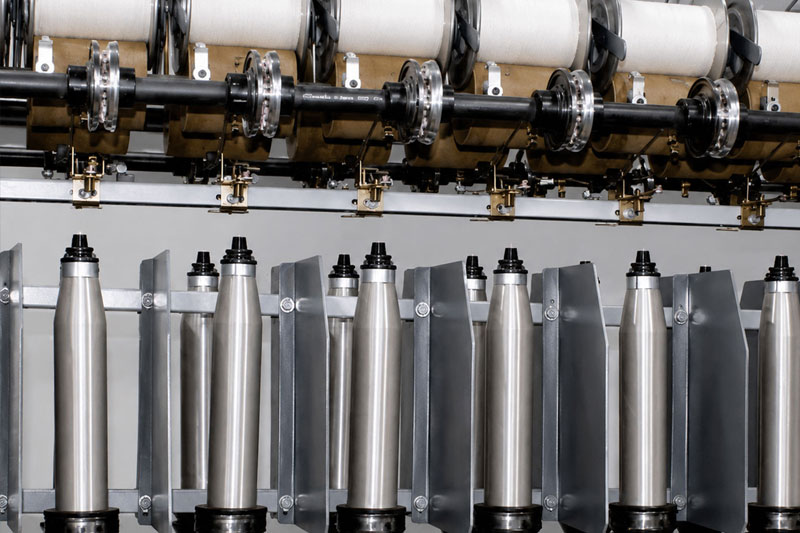
Among the most critical machines in yarn processing is the TFO Machine, also known as the Two For One Twister Machine. Over the years, TFO technology has evolved significantly, offering textile manufacturers enhanced productivity, superior yarn quality, reduced energy consumption, and improved profitability.
Modern TFO machines have become an essential investment for textile mills looking to stay competitive in both domestic and international markets. In this article, we explore the top 10 benefits of using modern TFO machines and why they are transforming yarn manufacturing across the globe.
What is a TFO Machine?
A TFO (Two For One) Machine is a specialized yarn twisting machine designed to impart twist to yarn efficiently. Unlike conventional twisting methods, a TFO machine produces two twists with every spindle revolution, significantly improving productivity.
TFO machines are widely used for processing:
- Cotton yarn
- Polyester yarn
- Blended yarn
- Viscose yarn
- Synthetic yarn
- Sewing thread
- Industrial yarn
Their ability to produce strong, uniform, and high-quality yarn makes them indispensable in modern textile manufacturing.
Why Modern TFO Machines Matter
Today’s textile manufacturers face challenges such as:
- Rising labor costs
- Increasing energy expenses
- Higher quality expectations
- Global competition
- Demand for faster production
Modern TFO machines address these challenges through advanced engineering, automation, and energy-efficient technologies.
Let’s explore the top 10 benefits.
1. Superior Yarn Quality
One of the most significant advantages of modern TFO machines is their ability to improve yarn quality.
Advanced spindle technology ensures:
- Consistent twist levels
- Better fiber cohesion
- Uniform yarn structure
- Reduced irregularities
The result is stronger and more reliable yarn suitable for premium textile applications.
High-quality yarn contributes directly to:
- Better fabric appearance
- Improved customer satisfaction
- Reduced quality complaints
2. Increased Yarn Strength
Twisting is essential for enhancing yarn strength.
Modern TFO machines provide precise control over the twisting process, helping manufacturers produce yarn that can withstand:
- High-speed weaving
- Knitting operations
- Dyeing processes
- Fabric finishing
Stronger yarn reduces breakage and improves overall manufacturing efficiency.
3. Higher Production Capacity
The unique Two For One principle allows one spindle revolution to generate two twists.
Benefits include:
- Faster yarn processing
- Increased production output
- Better machine utilization
- Higher profitability
Textile mills can produce more yarn within the same production timeframe without compromising quality.
4. Reduced Yarn Hairiness
Hairiness is a common challenge in yarn production.
Excessive hairiness can cause:
- Fabric defects
- Dust accumulation
- Machine stoppages
- Poor fabric appearance
Modern TFO machines significantly reduce yarn hairiness by creating a more compact and uniform yarn structure.
This leads to:
- Smoother yarn surfaces
- Better weaving performance
- Improved fabric quality
5. Improved Fabric Quality
The quality of yarn directly influences the quality of fabric.
By producing uniform and defect-free yarn, modern TFO machines contribute to:
- Better fabric texture
- Improved drape
- Enhanced appearance
- Consistent dye uptake
Manufacturers targeting premium textile markets particularly benefit from these improvements.
6. Enhanced Energy Efficiency
Energy costs represent a significant portion of textile production expenses.
Modern TFO machines incorporate:
- Energy-efficient motors
- Optimized drive systems
- Advanced spindle designs
- Intelligent power management
Benefits include:
- Lower electricity consumption
- Reduced operating costs
- Improved sustainability
This is especially important in regions where energy prices continue to rise.
7. Reduced Maintenance Requirements
Older textile machinery often requires frequent maintenance and repairs.
Modern TFO machines are designed with:
- Durable components
- Improved bearings
- Advanced lubrication systems
- Robust machine construction
Advantages include:
- Less downtime
- Lower maintenance costs
- Increased machine availability
This allows textile mills to maintain continuous production schedules.
8. Better Automation and Process Control
Today’s TFO machines are equipped with advanced automation systems.
Features often include:
- Electronic spindle monitoring
- Digital controls
- Production tracking
- Error detection systems
Automation helps manufacturers achieve:
- Greater consistency
- Reduced human error
- Improved production planning
- Higher operational efficiency
These technologies are becoming increasingly important as textile mills adopt Industry 4.0 practices.
9. Lower Production Costs
Every textile manufacturer seeks ways to reduce costs without sacrificing quality.
Modern TFO machines contribute to cost savings through:
- Higher productivity
- Reduced energy consumption
- Lower maintenance expenses
- Reduced yarn wastage
- Less labor dependency
These factors combine to improve overall profitability and return on investment.
10. Greater Competitiveness in Global Markets
Textile buyers today demand:
- Consistent quality
- Timely delivery
- Competitive pricing
Modern TFO machines help manufacturers meet these expectations by delivering:
- High-quality yarn
- Faster production cycles
- Reduced operational costs
This enables textile mills to compete more effectively in international markets such as Europe, North America, the Middle East, and Asia.
Applications of Modern TFO Machines
Modern TFO machines are used in a wide range of textile sectors.
Apparel Manufacturing
Producing yarn for:
- Shirts
- T-shirts
- Denim
- Sportswear
Home Textiles
Supporting production of:
- Bedsheets
- Curtains
- Upholstery fabrics
- Towels
Technical Textiles
Used for:
- Industrial fabrics
- Automotive textiles
- Protective clothing
Sewing Thread Manufacturing
Producing strong and durable sewing threads.
Latest Trends in TFO Technology
The textile machinery industry continues to innovate.
Smart Manufacturing
Modern TFO machines are increasingly integrated into smart factory environments.
IoT Connectivity
Real-time machine monitoring helps improve productivity and maintenance planning.
Servo-Based Controls
Provide greater precision and energy efficiency.
Predictive Maintenance
Sensors identify potential issues before they cause machine failure.
These innovations help textile manufacturers maximize efficiency and reduce operational risks.
Why Textile Mills in India, Bangladesh, Sri Lanka, Turkey, Egypt, Vietnam, and Nepal Are Adopting Modern TFO Machines
These countries are among the world’s leading textile manufacturing hubs.
Growing demand for:
- Quality fabrics
- Technical textiles
- Export-oriented production
has increased the need for advanced yarn processing equipment.
Modern TFO machines help textile mills:
- Improve product quality
- Increase productivity
- Reduce costs
- Meet international standards
- Expand export opportunities
This makes them a strategic investment for long-term growth.
How to Choose the Right Modern TFO Machine
When evaluating TFO machines, consider:
Production Capacity
Choose a machine that matches your output requirements.
Yarn Type
Ensure compatibility with the yarns you produce.
Energy Consumption
Look for energy-efficient designs.
Automation Features
Advanced controls improve productivity and quality.
Service and Support
Reliable after-sales support is essential for long-term success.
Manufacturer Reputation
Partner with an experienced and trusted textile machinery supplier.
Frequently Asked Questions (FAQs)
What is a TFO machine used for?
A TFO machine is used to twist yarn efficiently, improving strength, uniformity, and overall quality.
Why is it called a Two For One machine?
Because the machine produces two twists for every spindle revolution.
How do modern TFO machines improve productivity?
They increase twisting efficiency, allowing higher output while maintaining yarn quality.
Can TFO machines reduce energy costs?
Yes. Modern machines feature energy-efficient motors and optimized drive systems that reduce electricity consumption.
Which industries use TFO machines?
Textile manufacturing, apparel production, home textiles, technical textiles, and sewing thread manufacturing all use TFO machines.
Are modern TFO machines suitable for export-oriented textile mills?
Absolutely. They help manufacturers produce high-quality yarn that meets international standards.
Conclusion
Modern TFO machines have revolutionized yarn processing by delivering superior yarn quality, increased productivity, reduced energy consumption, and lower operational costs. For textile mills operating in highly competitive markets, investing in advanced TFO technology is no longer optional—it is a strategic necessity.
From improving yarn strength and reducing hairiness to supporting automation and increasing profitability, the benefits of modern TFO machines extend throughout the entire textile manufacturing process.
As textile industries continue to expand across India, Bangladesh, Sri Lanka, Turkey, Egypt, Vietnam, and Nepal, modern TFO machines will remain a cornerstone of efficient and sustainable textile production.
Why Choose National Textile Engineering?
National Textile Engineering is a trusted manufacturer and exporter of advanced textile machinery, offering high-performance TFO Machines, Double Deck TFO Machines, Cone Winders, Assembly Winders, and other yarn processing solutions.
Our machinery is designed to help textile mills achieve superior yarn quality, increased production efficiency, and long-term operational reliability. With a commitment to innovation and customer satisfaction, National Textile Engineering serves textile manufacturers across India and international markets.
Contact National Textile Engineering today to discover how our modern TFO machines can enhance your textile production capabilities and support your business growth.