
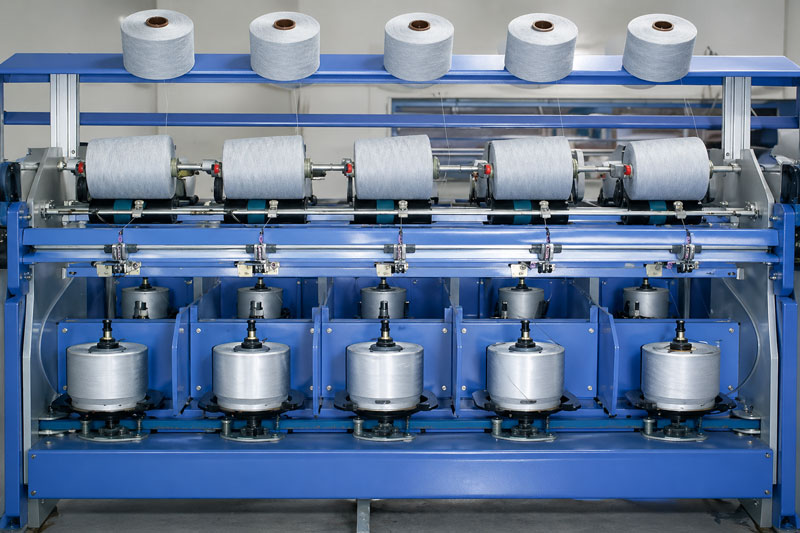
The textile industry is constantly evolving, with manufacturers seeking advanced machinery that can improve product quality while increasing production efficiency. One of the most important machines used in yarn processing today is the TFO Machine, also known as a Two For One Twister Machine.
From textile mills in India to large-scale manufacturers in Bangladesh, Sri Lanka, Turkey, Egypt, Vietnam, and Nepal, TFO machines have become an essential part of modern yarn production. They play a critical role in enhancing yarn strength, uniformity, durability, and overall quality while maintaining high production speeds.
In this comprehensive guide, we will explore what a TFO machine is, how it works, its benefits, applications, and why it has become indispensable for textile manufacturers worldwide.
What is a TFO Machine?
A TFO Machine (Two For One Twister Machine) is a specialized textile machine used for twisting yarn. The name “Two For One” comes from its unique twisting mechanism, where the yarn receives two twists during a single spindle revolution.
This innovative design allows manufacturers to achieve higher production rates compared to conventional twisting methods while ensuring consistent yarn quality.
TFO machines are widely used in the production of:
- Cotton yarn
- Polyester yarn
- Blended yarn
- Viscose yarn
- Synthetic yarn
- Industrial yarn
- Sewing thread
- Knitting yarn
The machine is designed to create stronger and more uniform yarn that can withstand subsequent weaving, knitting, and textile manufacturing processes.
Why is Yarn Twisting Important?
Before understanding how a TFO machine works, it’s essential to understand why twisting is necessary.
Raw yarn fibers have limited strength. Twisting binds the fibers together, creating a stronger and more stable yarn structure.
Proper twisting helps:
- Increase yarn strength
- Improve yarn uniformity
- Reduce hairiness
- Enhance abrasion resistance
- Improve weaving performance
- Improve knitting efficiency
- Reduce yarn breakage
Without proper twisting, yarn may become weak, uneven, and difficult to process.
How Does a TFO Machine Work?
The working principle of a TFO machine is remarkably efficient.
Step 1: Yarn Feeding
The yarn package is placed inside the machine spindle.
Step 2: Yarn Withdrawal
The yarn is withdrawn from the package through a specially designed path.
Step 3: Balloon Formation
As the spindle rotates, the yarn forms a balloon shape around the spindle assembly.
Step 4: Double Twist Formation
The yarn receives one twist while leaving the package and another twist while passing through the spindle assembly.
As a result:
One spindle revolution = Two twists
This is why it is called a “Two For One” Twister Machine.
Step 5: Winding
The twisted yarn is wound onto a package ready for further processing or shipment.
This efficient process enables higher productivity and superior yarn quality compared to conventional twisting systems.
Key Components of a TFO Machine
A modern TFO machine consists of several critical components:
Spindle Assembly
The spindle is the heart of the machine and performs the twisting operation.
Yarn Tension Device
Maintains uniform yarn tension throughout the process.
Balloon Control Ring
Controls yarn balloon formation and reduces vibration.
Take-Up System
Ensures proper winding of twisted yarn.
Drive Mechanism
Provides smooth spindle rotation and machine operation.
Electronic Controls
Modern TFO machines incorporate digital systems for precision monitoring and process control.
How Does a TFO Machine Improve Yarn Quality?
One of the biggest reasons textile manufacturers invest in TFO machines is their ability to significantly improve yarn quality.
1. Enhanced Yarn Strength
Twisting binds fibers together more effectively.
Benefits include:
- Higher tensile strength
- Reduced breakage
- Better processing performance
This is particularly important for high-speed weaving and knitting operations.
2. Improved Yarn Uniformity
Uniform yarn is essential for producing premium-quality fabrics.
TFO machines ensure:
- Consistent twist levels
- Uniform yarn structure
- Better fabric appearance
This results in fewer defects during textile production.
3. Reduced Yarn Hairiness
Hairiness occurs when fibers protrude from the yarn surface.
Excessive hairiness can lead to:
- Fabric defects
- Dust generation
- Machine stoppages
TFO twisting helps reduce hairiness, producing smoother yarn suitable for premium textile applications.
4. Better Dye Absorption
Uniformly twisted yarn absorbs dyes more consistently.
Benefits include:
- Improved color uniformity
- Better fabric appearance
- Reduced dyeing defects
This is particularly valuable for textile exporters targeting international markets.
5. Increased Abrasion Resistance
Twisted yarn can better withstand friction and mechanical stress.
Advantages:
- Longer yarn life
- Better weaving performance
- Reduced wastage
6. Improved Fabric Quality
Better yarn quality directly contributes to:
- Smoother fabrics
- Better drape
- Improved appearance
- Higher customer satisfaction
Benefits of Using a TFO Machine
Higher Productivity
Because one spindle revolution creates two twists, production output is significantly higher.
Manufacturers can:
- Increase production capacity
- Reduce production costs
- Improve profitability
Energy Efficiency
Modern TFO machines are designed to consume less energy per kilogram of yarn produced.
Benefits include:
- Lower electricity costs
- Reduced environmental impact
- Improved sustainability
Reduced Labor Requirements
Automation features help minimize manual intervention.
Advantages:
- Lower labor costs
- Improved efficiency
- Better operational consistency
Lower Maintenance Costs
Modern TFO machines are engineered for durability and long service life.
This reduces:
- Downtime
- Maintenance expenses
- Production interruptions
Industries That Use TFO Machines
TFO machines are used across multiple textile sectors.
Apparel Manufacturing
Used for producing yarn used in:
- Shirts
- T-shirts
- Denim
- Sportswear
Home Textiles
Including:
- Bedsheets
- Curtains
- Upholstery fabrics
Technical Textiles
Used in:
- Industrial fabrics
- Protective textiles
- Automotive textiles
Sewing Thread Manufacturing
TFO machines help produce strong and reliable sewing threads.
Latest Trends in TFO Technology
The textile machinery industry continues to innovate.
Modern TFO machines now feature:
Smart Automation
Advanced control systems improve operational efficiency.
Servo Technology
Provides precise control and reduced energy consumption.
IoT Integration
Enables real-time machine monitoring and predictive maintenance.
Digital Production Monitoring
Allows manufacturers to track productivity and quality metrics.
These innovations are helping textile mills remain competitive in global markets.
Why Textile Manufacturers in India, Bangladesh, Sri Lanka, Turkey, Egypt, Vietnam, and Nepal Are Investing in TFO Machines
The textile industries in these countries are expanding rapidly due to growing global demand.
Manufacturers are investing in modern TFO machines because they offer:
- Better yarn quality
- Increased production capacity
- Lower operating costs
- Improved export competitiveness
- Faster return on investment
As global buyers increasingly demand premium-quality textiles, advanced yarn processing equipment has become essential.
How Much Does a TFO Machine Cost?
The cost of a TFO machine depends on several factors:
- Number of spindles
- Automation level
- Machine configuration
- Production capacity
- Additional features
While the initial investment may vary, most textile manufacturers experience a strong return on investment through:
- Increased productivity
- Reduced wastage
- Improved yarn quality
- Lower operational costs
How to Choose the Right TFO Machine
When selecting a TFO machine, consider:
Production Requirements
Determine your daily production targets.
Yarn Type
Choose a machine compatible with your yarn specifications.
Energy Efficiency
Look for machines with optimized power consumption.
Automation Features
Advanced controls can improve productivity and quality.
After-Sales Support
Reliable technical support is essential for long-term success.
Manufacturer Reputation
Partner with an experienced and trusted textile machinery manufacturer.
Frequently Asked Questions (FAQs)
What does TFO stand for?
TFO stands for Two For One, referring to a twisting process where two twists are produced in a single spindle revolution.
What is the main purpose of a TFO machine?
The primary purpose is to improve yarn strength, uniformity, and quality through efficient twisting.
Which yarns can be processed on a TFO machine?
Cotton, polyester, viscose, blended, synthetic, and industrial yarns can all be processed.
How does a TFO machine improve yarn quality?
It enhances strength, reduces hairiness, improves uniformity, and increases abrasion resistance.
Is a TFO machine suitable for large textile mills?
Yes. TFO machines are widely used in both medium-sized and large-scale textile manufacturing facilities.
Why are modern TFO machines more efficient?
Modern machines feature advanced automation, energy-efficient drives, digital controls, and improved spindle technology.
Conclusion
A TFO Machine is one of the most important pieces of equipment in modern yarn manufacturing. By delivering higher productivity, improved yarn strength, better uniformity, reduced hairiness, and enhanced fabric quality, it has become a critical investment for textile manufacturers worldwide.
As textile industries continue to grow in India, Bangladesh, Sri Lanka, Turkey, Egypt, Vietnam, and Nepal, the demand for advanced yarn processing solutions is expected to increase further. Investing in a high-quality TFO machine enables manufacturers to meet global quality standards while improving operational efficiency and profitability.
Why Choose National Textile Engineering?
National Textile Engineering is a trusted manufacturer and exporter of advanced textile machinery, providing innovative solutions for yarn processing and textile production. Our TFO Machines, Double Deck TFO Machines, Assembly Winders, Cone Winders, and other textile equipment are designed to deliver exceptional performance, reliability, and efficiency.
Whether you are expanding an existing textile mill or setting up a new production facility, National Textile Engineering can help you achieve higher productivity and superior yarn quality.
Contact National Textile Engineering today to find the right textile machinery solution for your business.