
The embroidery industry relies heavily on thread quality to achieve beautiful, durable, and professional-looking designs. Whether used in fashion garments, uniforms, home textiles, decorative fabrics, or industrial embroidery applications, the performance of embroidery thread directly affects the final product’s appearance and durability.
One of the most important yet often overlooked processes in embroidery thread manufacturing is thread doubling. This process combines multiple yarns or threads into a single, stronger, and more uniform thread structure. To achieve this efficiently and consistently, manufacturers use Embroidery Thread Doubler Machines.
As textile industries continue to expand across India, Bangladesh, Sri Lanka, Turkey, Egypt, Vietnam, and Nepal, the demand for premium embroidery threads is increasing. Modern embroidery thread doubler machines help manufacturers meet this demand by ensuring thread consistency, strength, and production efficiency.
In this guide, we explore why embroidery thread doubler machines are essential, how they work, and how they contribute to producing strong and uniform embroidery threads.
What is an Embroidery Thread Doubler Machine?
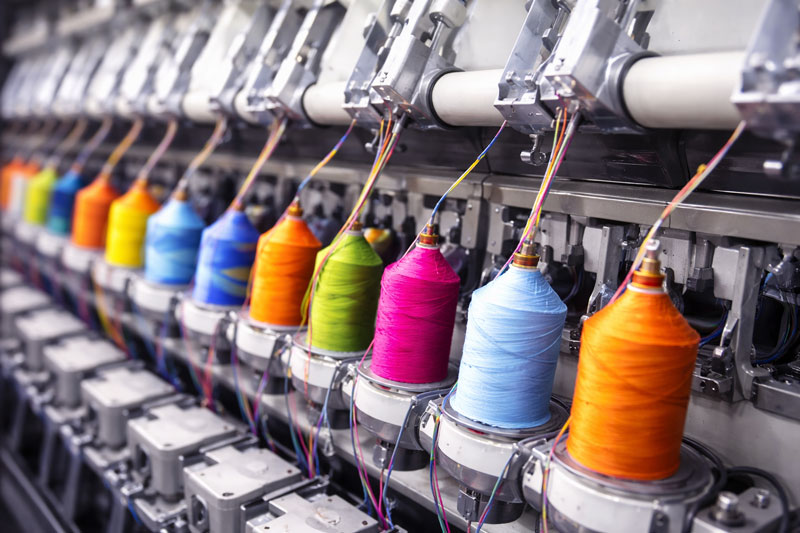
An Embroidery Thread Doubler Machine is a specialized textile machine designed to combine two or more yarns or threads into a single thread package before further processing, twisting, dyeing, or embroidery thread production.
The primary objective of doubling is to:
- Improve thread strength
- Enhance thread uniformity
- Achieve consistent thread quality
- Reduce defects
- Improve processing performance
The resulting doubled thread becomes more suitable for high-speed embroidery operations and demanding textile applications.
Why Thread Quality Matters in Embroidery
Embroidery threads must perform under challenging production conditions.
Modern embroidery machines operate at extremely high speeds, and poor-quality threads can lead to:
- Frequent thread breakage
- Machine stoppages
- Design defects
- Production delays
- Increased wastage
High-quality embroidery thread ensures:
- Smooth machine operation
- Consistent stitch formation
- Better design appearance
- Higher production efficiency
This is why thread doubling has become a critical step in embroidery thread manufacturing.
What is Thread Doubling?
Thread doubling is the process of combining multiple yarns or thread ends into a single package while maintaining controlled tension and alignment.
The process helps create threads that are:
- Stronger
- More balanced
- More uniform
- Easier to process
Thread doubling is often performed before twisting operations to ensure optimal thread performance.
How Does an Embroidery Thread Doubler Machine Work?
The machine combines multiple thread packages into one package while maintaining uniform tension and alignment.
Step 1: Thread Feeding
Individual thread packages are loaded onto the machine.
Common materials include:
- Polyester thread
- Rayon thread
- Cotton thread
- Viscose thread
- Metallic embroidery thread
Step 2: Tension Control
Each thread passes through tension control systems.
This ensures:
- Equal tension
- Uniform feeding
- Reduced thread variation
Step 3: Thread Combining
The machine combines the threads into a single strand.
Proper alignment is maintained throughout the process.
Step 4: Winding
The doubled thread is wound onto a package for further processing.
The resulting package is:
- Uniform
- Stable
- Ready for twisting or embroidery production
Why Embroidery Thread Doubler Machines Are Essential
1. Improved Thread Strength
Strength is one of the most important characteristics of embroidery thread.
Doubling multiple yarns together creates a stronger thread structure capable of withstanding:
- High embroidery machine speeds
- Needle friction
- Fabric penetration
- Repeated stitching
Stronger threads reduce production interruptions and improve product quality.
2. Enhanced Thread Uniformity
Uniform thread thickness is critical for consistent embroidery results.
Modern doubler machines ensure:
- Equal yarn distribution
- Balanced thread structure
- Consistent package formation
This results in:
- Uniform stitch appearance
- Better embroidery quality
- Reduced visual defects
3. Reduced Thread Breakage
Thread breakage is one of the most common causes of embroidery machine downtime.
Doubled threads exhibit:
- Higher tensile strength
- Better stability
- Improved durability
This significantly reduces machine stoppages and production delays.
4. Better Embroidery Performance
High-speed embroidery machines require threads that can run smoothly and consistently.
Doubled threads provide:
- Smooth feeding
- Consistent tension
- Improved stitch formation
This enhances embroidery machine performance and productivity.
5. Improved Thread Balance
Unbalanced threads can create:
- Uneven stitches
- Loop formation
- Design inconsistencies
Modern doubler machines help maintain proper thread balance, resulting in better embroidery quality.
6. Higher Production Efficiency
Efficient thread preparation leads to:
- Faster processing
- Reduced downtime
- Improved machine utilization
Manufacturers can produce more embroidery thread within the same timeframe.
7. Reduced Material Wastage
Thread defects often lead to:
- Product rejection
- Rework
- Increased costs
By producing consistent thread packages, doubler machines help reduce wastage and improve profitability.
8. Better Dyeing Results
Uniform thread structures absorb dyes more consistently.
Benefits include:
- Better color uniformity
- Improved appearance
- Reduced dyeing defects
This is particularly important for premium embroidery thread production.
9. Support for Premium Thread Manufacturing
Luxury embroidery applications demand superior thread quality.
Doubler machines help manufacturers produce threads suitable for:
- High-end fashion garments
- Designer embroidery
- Premium home textiles
- Export-quality products
10. Increased Competitiveness
Manufacturers producing high-quality embroidery threads gain advantages such as:
- Better customer satisfaction
- Higher product value
- Stronger market position
This is especially important in competitive global textile markets.
Applications of Embroidery Thread Doubler Machines
Apparel Industry
Used for embroidery threads in:
- Shirts
- Dresses
- Ethnic wear
- Sportswear
Home Textile Industry
Supports embroidery thread production for:
- Bedsheets
- Curtains
- Cushion covers
- Decorative fabrics
Uniform Manufacturing
Produces durable embroidery threads for:
- Corporate uniforms
- School uniforms
- Industrial workwear
Fashion and Luxury Textiles
Used in high-end decorative embroidery applications.
Latest Trends in Embroidery Thread Doubling Technology
The textile machinery industry continues to adopt advanced technologies.
Servo-Based Drives
Provide accurate control and improved energy efficiency.
Electronic Tension Control
Ensures consistent thread quality.
Smart Monitoring Systems
Allow real-time production monitoring and quality control.
Industry 4.0 Integration
Supports digital manufacturing environments.
Energy-Efficient Machinery
Reduces power consumption and operating costs.
Why Textile Manufacturers Across India, Bangladesh, Sri Lanka, Turkey, Egypt, Vietnam, and Nepal Are Investing in Doubler Machines
The embroidery industry is experiencing strong growth due to increasing demand for:
- Fashion garments
- Decorative textiles
- Branded apparel
- Home furnishings
Manufacturers are investing in embroidery thread doubler machines because they provide:
- Better thread quality
- Higher production efficiency
- Reduced operational costs
- Improved export competitiveness
As global buyers demand higher standards, advanced thread preparation technology becomes increasingly important.
How to Choose the Right Embroidery Thread Doubler Machine
Evaluate Production Capacity
Select machinery that matches your production goals.
Consider Thread Types
Ensure compatibility with the threads you process.
Focus on Automation
Advanced automation improves productivity and consistency.
Review Tension Control Features
Precise tension control is critical for thread quality.
Assess Energy Efficiency
Energy-efficient machines reduce long-term operating costs.
Choose a Reliable Manufacturer
Partner with a trusted textile machinery supplier with proven expertise.
Frequently Asked Questions (FAQs)
What is an embroidery thread doubler machine?
It is a textile machine used to combine multiple threads into a single, stronger, and more uniform thread package.
Why is thread doubling important?
Thread doubling improves strength, consistency, durability, and embroidery performance.
Can doubler machines reduce thread breakage?
Yes. Doubled threads are stronger and more stable, reducing breakage during embroidery operations.
What types of threads can be processed?
Polyester, rayon, cotton, viscose, metallic, and specialty embroidery threads can be processed.
Does thread doubling improve embroidery quality?
Yes. It ensures uniform thread structure, resulting in consistent stitch formation and better design appearance.
Are doubler machines suitable for export-oriented manufacturers?
Absolutely. They help produce premium-quality threads that meet international standards.
Conclusion
Embroidery Thread Doubler Machines play a crucial role in modern thread manufacturing by producing stronger, more uniform, and higher-quality threads. From reducing breakage and improving embroidery performance to enhancing productivity and reducing wastage, these machines contribute significantly to manufacturing efficiency and product quality.
As the embroidery industry continues to expand across India, Bangladesh, Sri Lanka, Turkey, Egypt, Vietnam, and Nepal, investing in advanced thread doubling technology can help manufacturers meet growing demand while maintaining competitive advantages in global markets.
Why Choose National Textile Engineering?
National Textile Engineering is a trusted manufacturer and exporter of advanced textile machinery, providing innovative solutions for thread processing, yarn doubling, winding, twisting, and textile production. Our Doubler Machines are designed to deliver precision, reliability, and high productivity for embroidery thread manufacturers and textile mills.
With a commitment to quality and customer satisfaction, we serve textile businesses across India and international markets, helping them improve efficiency, product quality, and profitability.
Contact National Textile Engineering today to learn how our Embroidery Thread Doubler Machines can strengthen your production capabilities and support long-term business growth.